
If you manage buildings, you have probably felt it. The conversations have changed. Insurers ask more questions. Audits feel less like a tick box exercise and more like a probe into day to day reality. Residents, tenants and staff are more alert to fire safety issues than they were. None of this is because every building has suddenly become unsafe. It is because the standard for what “good” looks like has moved on, and expectations now focus far more on whether fire safety arrangements work in practice, not just whether they exist on paper.
What makes this tricky to manage is that buildings evolve in use, occupancy patterns change, storage creeps into places it should not, maintenance regimes get stretched, and the people who once knew the building inside out move on. A fire risk assessment that was suitable and sufficient at the time it was written can become less aligned with reality, even if the document still looks professional and the annual service visits still happen. In 2026, the question is less “do we have the paperwork” and more “does the paperwork still describe how this building actually operates”.
The shift from paperwork to proof
Five years ago, many organisations assumed that having a current fire risk assessment, a service record for the alarm system, and a logbook would usually demonstrate reasonable compliance. In 2026, regulators, investigators and insurers increasingly look for evidence that fire safety is actively managed. They want to see that escape routes are kept clear consistently, that fire doors are maintained and used properly, that changes in layout or use have been considered, and that people understand what they are expected to do in an emergency. The emphasis is on assurance you can demonstrate, not reassurance you can file.
This matters because the biggest risks often sit in ordinary places and ordinary behaviours. A wedged fire door, an escape route narrowed by a few stored items, a riser cupboard used as a convenient dumping ground, or a “temporary” alteration that becomes permanent. None of these look dramatic, but they can be the difference between a contained incident and an uncontrolled fire. The modern approach is more practical, more observant, and less willing to accept “it has always been fine” as an answer.
Responsibility is being treated more seriously
Another reason fire safety feels different is that responsibility is now expected to be clear, documented, and lived day to day. In multi occupied buildings, mixed use properties, and premises involving landlords, managing agents, multiple tenants, and contractors, the old grey areas are where things most often go wrong. The trend since 2021 to 2023 has been towards clearer expectations around cooperation, coordination, and keeping a usable record of who is responsible for what. That makes life harder if your building is complex, but it also reduces the chance that important actions fall between the cracks (Devon & Somerset Fire Service) .
What the Grenfell Inquiry changed for everyone
A single event that accelerated this cultural shift was Grenfell. The Grenfell Tower Inquiry’s final report, published on 4 September 2024, concluded that the tragedy was the culmination of serious and long running failures across multiple organisations and systems, and it drove home an uncomfortable point that many people in property and construction already suspected: when responsibility is unclear, when assurance is weak, and when safety information is treated as a box to tick, risks can sit in plain sight for years (UK Government).
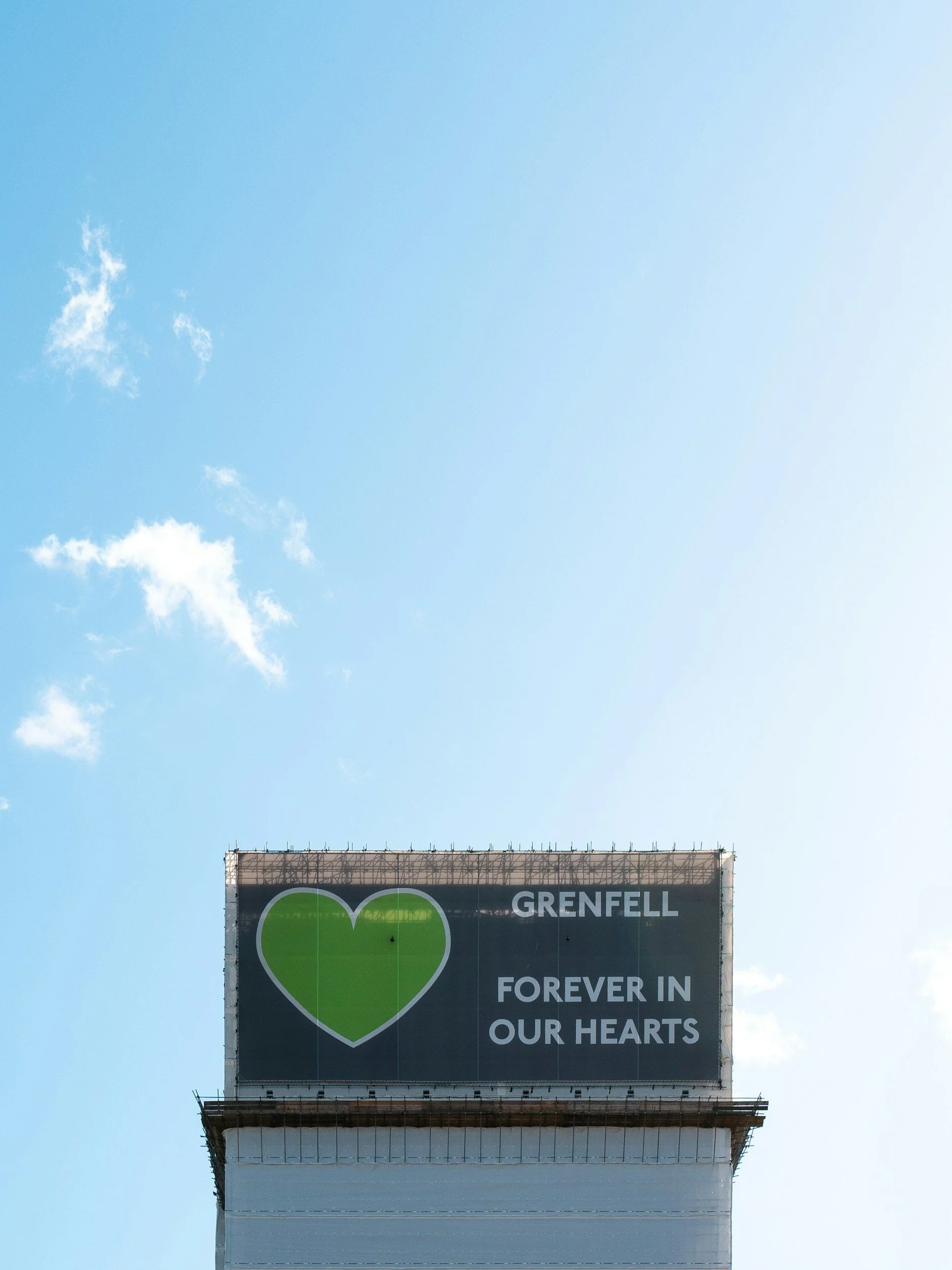
One of the practical effects of that inquiry has been a steady tightening of expectations around information, record keeping, and clarity of roles, including changes that took effect from 1 October 2023 under Section 156 of the Building Safety Act 2022, such as recording fire risk assessments in full and improved cooperation between responsible persons. Even if your building has nothing to do with high rise residential, those expectations have influenced enforcement posture and insurer scrutiny across the board. In plain terms, the bar for demonstrating you are on top of fire safety has moved, and it is moving in a way that rewards active management rather than passive paperwork (Devon & Somerset Fire Service).
What this means in practice for property managers and building owners
For most organisations, the response does not need to be dramatic. It needs to be proportionate and honest. If a building has changed, even subtly, it is sensible to check whether your fire risk assessment still matches the way the building is being used and managed. If your building is multi occupied, it is sensible to make sure responsibilities are clearly mapped and shared. If you have not looked closely at the everyday basics recently, fire doors, escape routes, alarm zones, housekeeping, and the way contractors operate on site, then it is worth doing so before somebody else does it for you.
This is also where many well intentioned teams get stuck. They are trying to do the right thing, but they are juggling competing demands, tight budgets, and endless compliance noise. The answer is not judgement. The answer is a clear review that tells you what matters most, what can wait, and what needs fixing now.
London Fire Brigade Documentary
If you have time, it is well worth watching the classic Cutting Edge documentary below, which follows the work of the London Fire Brigade Fire Investigation Unit. The documentary is a little old now, but still provides a useful insight into their approach.
Next Steps for You
If you are managing a building that has changed in layout, occupancy, use, or management arrangements since your last assessment, you do not need to guess where you stand. Fletcher Risk can review your current position, sense check whether your fire risk assessment still matches reality, and give you a clear, prioritised plan that is practical for busy buildings and busy teams. If you are unsure where to start, get in touch and we will talk it through.
Disclaimer
This article is intended for general information only and does not replace a suitable and sufficient fire risk assessment or professional fire safety advice.
© Fletcher Risk Team - 5 January 2025