
The psychology of an arsonist
Understanding deliberate fire setting and what property professionals can do about it
When most people think about arson, they picture the classic “fire obsessed” offender. In reality, deliberate fire setting covers a wide range of motives and behaviours, from vandalism and revenge to profit and attempts to hide other crimes. For responsible persons and property managers, understanding these patterns is not about profiling individuals. It is about recognising how and why buildings are targeted, and what practical steps reduce the risk.

What is arson
Official fire statistics distinguish deliberate fires from accidental ones. Deliberate fires include incidents where the motive is thought to be or suspected to be intentional. Arson, in law, is usually defined as intentionally or recklessly damaging property by fire and in some cases endangering life.
For a fire to be classed as arson there has to be intent. A dropped cigarette is carelessness. Pouring fuel in a stairwell and lighting it is a deliberate act.
Why do people set fires on purpose?
Research suggests there are several recurring motives in deliberate fire setting. Different studies group them slightly differently, but the themes are similar.
Common categories include:
Revenge. Anger towards a person, organisation or institution, for example after a relationship breakdown, an eviction or a workplace dispute.
Vandalism and boredom. Damage for the sake of it, often in groups, sometimes linked to antisocial behaviour in outdoor areas, bin stores or derelict property.
Excitement and thrill seeking. Fires set for the rush or drama, sometimes by people who watch from nearby or even call the incident in.
For profit. Insurance and business fraud, clearing land or destroying stock and records, usually in commercial or mixed use buildings.
Crime concealment. Fire used to destroy evidence of another offence like burglary, assault or even more serious crime.
Extremist or political motivations. Fire used as a form of protest, intimidation or terror.
Complex personal or mental health related factors. In a small number of cases fire setting is linked to severe mental illness or long term patterns of harmful behaviour. Only clinicians can diagnose these conditions and they should not be assumed.
Many offenders have more than one motive. Alcohol or drug use, stressful life events, financial pressure, relationship problems and previous offending can all play a part.
What the research says about patterns and behaviour
Studies of convicted arsonists have found that:
Motives like vandalism, revenge, excitement, profit and crime concealment appear again and again
Some offenders plan in advance, bringing accelerants or tools, while others act impulsively under the influence of anger or substances
Different motives tend to target different locations, for example profit motivated offenders are more likely to target their own homes or businesses, while vandalism fires may involve public areas or shared spaces
The important point for property professionals is that arson is rarely random. Buildings are chosen because they are easy to access, offer cover, contain fuel or represent some symbolic or financial value to the offender.

Building features that can attract arson
Certain features make a building or site more attractive to someone thinking about setting a fire:
Secluded bin stores and wheelie bins close to doors or windows
External stairwells and escape routes that are hidden from view
Poor lighting, blind corners and alleys at the rear of premises
Unlocked doors to service areas, plant rooms and storage spaces
Accumulated waste, cardboard and packaging around loading bays
Voids and shared roof spaces between units or flats
Unused parts of older or heritage buildings, especially where access is easy but supervision is low
None of these guarantee a problem, but they increase opportunity. Good design and housekeeping reduce the chances that a motivated person can act.
How responsible persons can reduce arson risk
You cannot see inside someone else’s mind, but you can manage the environment they encounter. Practical steps include
Secure external areas. Lock bin stores, move wheelie bins away from doors and windows and avoid storing combustible material under stairs or balconies.
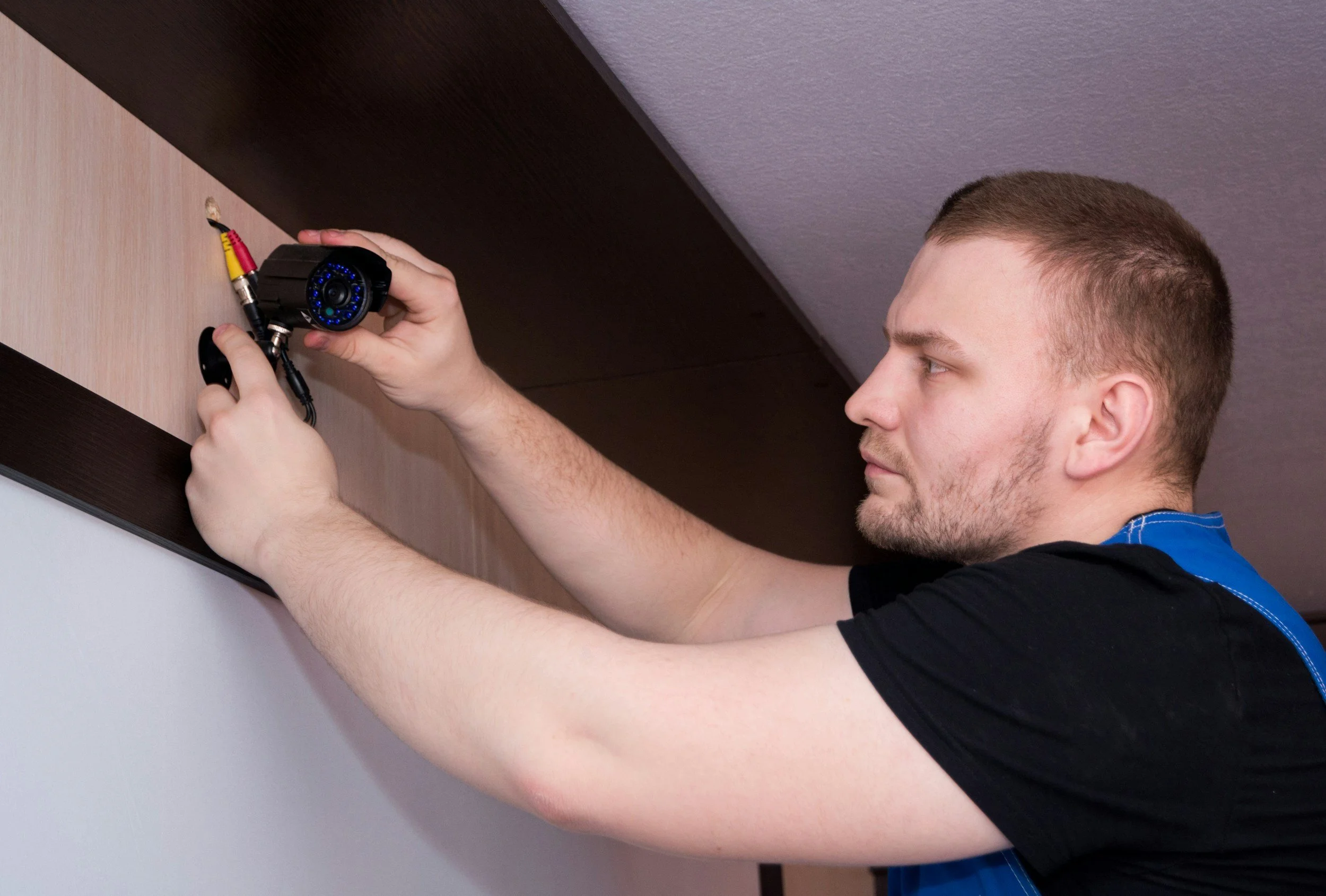
Improve natural and electronic surveillance. Good lighting, clear sight lines, cameras in appropriate locations and windows that overlook vulnerable areas all discourage covert activity.
Control access. Keep plant rooms, roof hatches, service risers and storage areas locked. Review how easily someone could enter at night or at quiet times.
Tidy up fuel. Reduce excess cardboard, pallets and rubbish around loading bays and rear yards. Remove abandoned furniture and waste quickly.
Watch for patterns of small fires and near misses. A run of bin fires or minor damage can be a warning sign that someone is testing the response.
Work with local fire and police services. Many services have deliberate fire reduction teams and person centred home or site visits to help identify behavioural and environmental risks.
All of these measures make life harder for a would be arsonist without making life harder for legitimate users of the building.

Talking about risk without labelling people
It is important not to jump to conclusions about individuals. Setting a deliberate fire is a serious criminal act, but not everyone who likes candles, bonfires or fireworks is at risk of becoming an arsonist. If staff or residents raise concerns about someone’s behaviour around fire, the response should focus on safeguarding and support:
Encourage people to report worrying behaviour or previous incidents
Signpost to health, mental health or addiction services where appropriate
Involve local fire and rescue community safety teams, who can offer advice and visits
Document concerns and actions taken as part of your risk management processes
The goal is to reduce harm, not diagnose.
Where Fletcher Risk fits in
Understanding the psychology of an arsonist is useful, but it is only part of the picture. The real gains come when you combine that insight with a practical assessment of your buildings and how people actually use them. Through our fire risk assessments and ongoing support we can help you:
Identify arson vulnerabilities in and around your premises
Prioritise improvements that reduce opportunity without disrupting business
Link building design, management and human behaviour in one clear plan
If you are unsure how exposed your building is to deliberate fire setting, feel free to get in touch for a conversation about next steps.
Disclaimer
This article provides general information about deliberate fire setting and associated risk factors. It is not intended to diagnose individuals, assess personal behaviour or replace professional advice from clinical, legal or fire safety specialists. Every building and situation is different and risk should always be assessed by a competent professional. Fletcher Risk accepts no responsibility for any loss arising from reliance on this information. For tailored advice or a full fire risk assessment please contact a qualified professional.
Fletcher Risk Team - 15 December 2025