
Emergency Lighting Explained
What Responsible Persons Need To Know
Emergency lighting is one of the most important life safety systems in any building. When the normal lighting fails because of a fire or power cut, these lights guide people to safety, prevent panic and allow emergency responders to move through the building.
It also forms a core part of your fire risk assessment and your overall building compliance.
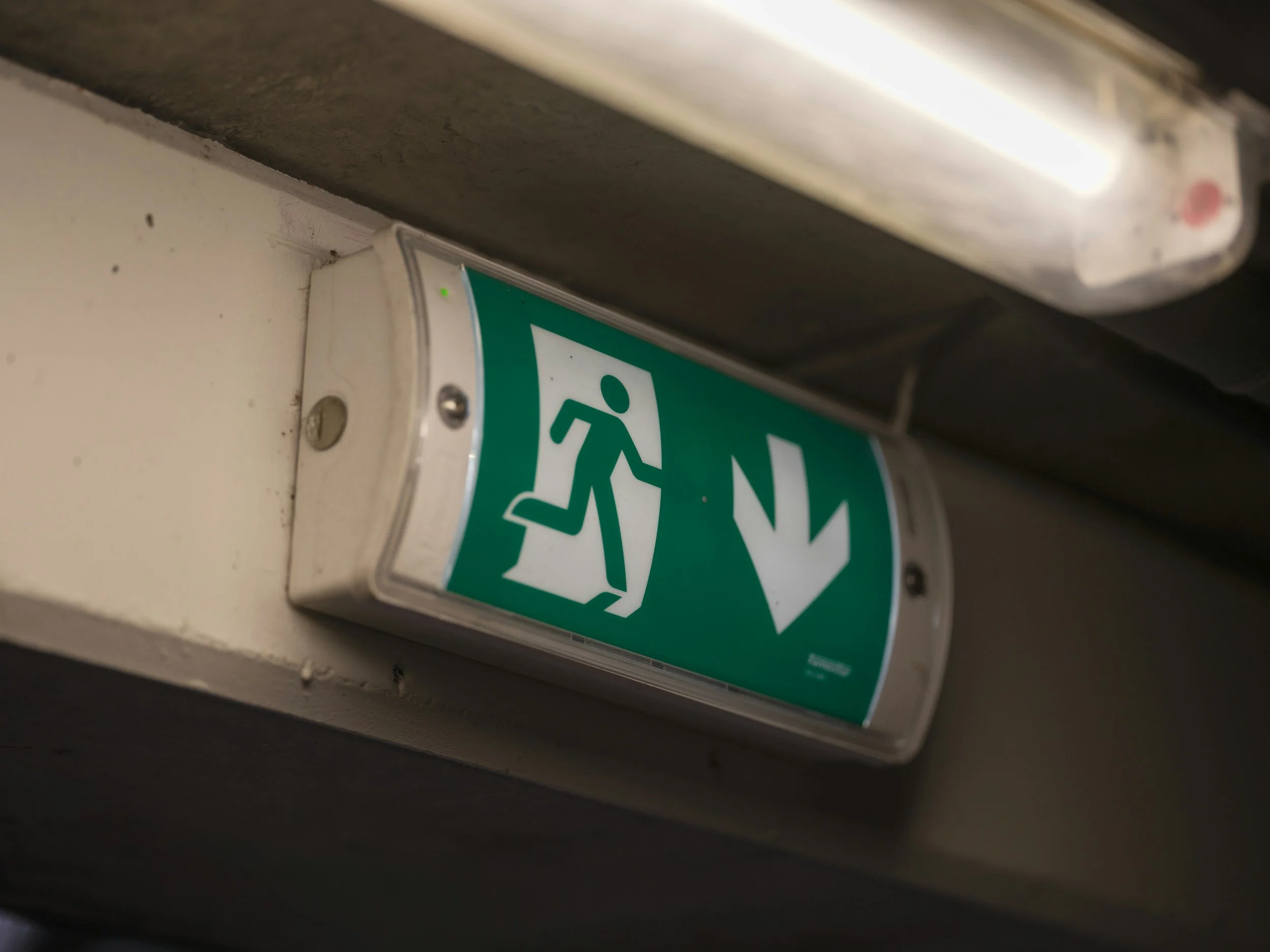
Emergency lighting
What makes something emergency lighting rather than normal lighting
Normal lighting
Runs from the mains supply
Provides everyday visibility for tasks and movement
Switches off when power fails
Emergency lighting
Activates when the normal lighting supply fails
Has a battery backup or central supply
Illuminates escape routes, exits, open areas and critical points
Is tested and maintained to specific standards
Exists to support safe evacuation and fire response
The purpose is different. Normal lighting helps people work. Emergency lighting helps people escape.
Maintained vs non maintained emergency lighting
There are two main types of emergency lighting systems. Understanding the difference helps you choose the right fittings for your building.
Maintained emergency lighting
These lights are on all the time (day to day).
When power fails, they stay on using their backup supply.
Used in places like theatres, assembly spaces, hospitality venues or anywhere people might be in darkness before an emergency.
Also helpful in public areas where constant signage illumination supports wayfinding.
Non maintained emergency lighting
These lights stay off during normal use.
They only switch on when the mains supply fails.
Common in offices, shops, shared buildings and workplaces.
Nearly always the default option unless there is a specific need for maintained lighting.
Choosing between the two usually comes down to how the space is used and whether the light fitting needs to serve a day-to-day purpose as well as an emergency one.
Other buying choices a responsible person faces
Beyond maintained or non maintained, there are several practical decisions that affect safety, performance and cost.
Battery type
Lithium batteries
Longer life, lighter weight, better charge retention. Becoming the standard in modern units.NiCd / NiMH batteries
Older technology, lower upfront cost, but shorter lifespan and more maintenance.
Duration rating
Most emergency lights are designed for
1 hour
3 hours (commonly required)
Three hours allows staff and emergency teams enough time to evacuate, manage the incident and re-enter areas if needed.
Self test vs manual test
Self test units automatically carry out regular checks and flag faults.
Saves time and reduces human error.Manual test units require someone to operate a test key switch and record the results.
Central battery systems vs self contained units
Self contained units are the most common
(light + battery in one fitting).Central systems use a single battery bank feeding multiple luminaires.
More complex, but easier to test at scale and often used in large or heritage buildings.
Style and design considerations
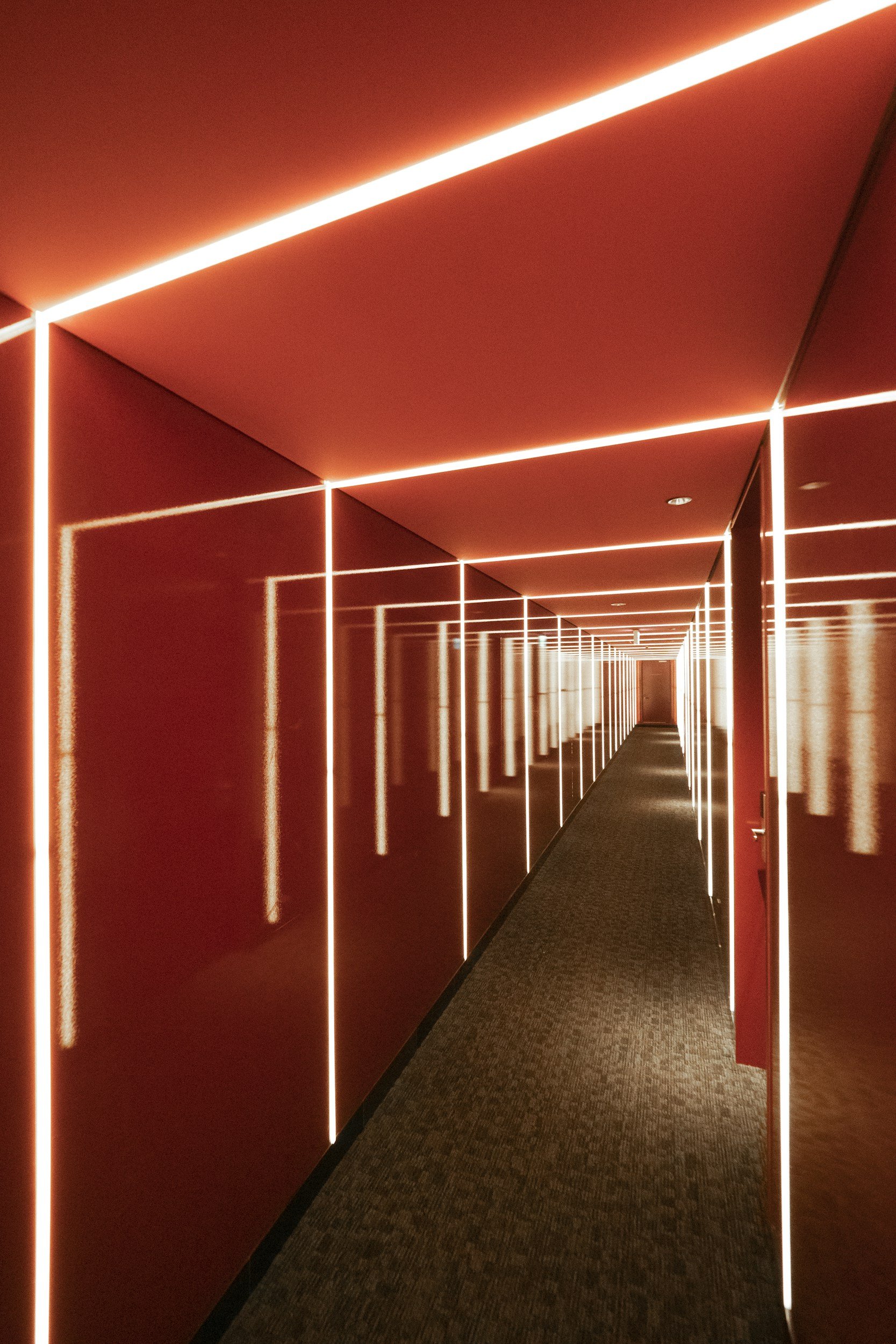
Emergency lighting can look good. Many people assume emergency lighting must be a bulky green box or a bright white bar. Modern fittings can be extremely subtle and well designed.
Today you can choose from
Slimline LED emergency fittings
Recessed downlight style escape route lights
Stylish exit signs with acrylic panels
Low profile spotlights
Architectural luminaires that match decorative lighting schemes
The responsible person’s job is to ensure safety and compliance, but good design helps avoid “industrial” looking units in offices, hospitality settings or high quality interiors.
The key point: attractive fittings are acceptable as long as they meet the required performance and testing standards.
Common issues we see when inspecting buildings
Batteries not replaced, leading to reduced duration
Faulty indicators not spotted due to lack of regular testing
Escape routes changed without updating the lighting layout
Cheap units installed that do not meet the required standards
Decorative refurbishments covering or obstructing emergency lights
These are all fixable quickly once identified.
Emergency lighting should be tested at least
Daily (quick visual check)
Monthly (functional test)
Annually (full duration test)
This Youtube video by Safe Mission provides a nice demonstration of how a monthly check might be done in your building. Of course, every building is different, so we recommend seeking professional advice/training from us or another suitably qualified and experienced person before doing it yourself.
How Fletcher Risk can support you
We help building owners, landlords and property managers understand and maintain their emergency lighting systems through
Full emergency lighting surveys
Documentation and compliance records
On-site staff training
Advice on design and upgrade options
Integration with fire risk assessments
If you are not sure where to start, feel free to call us. A quick conversation often clears things up and helps you decide your next step.
Disclaimer
This article provides general information only and is not intended to replace a full fire risk assessment, technical survey or professional advice specific to your building. Emergency lighting requirements vary depending on the layout, use and condition of each premises. Fletcher Risk accepts no responsibility for any loss arising from reliance on this guidance. For tailored advice, testing or a full assessment, please contact a qualified professional.
Fletcher Risk Team - 12 December 2025