
What To Do After a Small Fire
A Practical Checklist for UK Workplaces
Has your workplace just suffered a minor fire? Do not panic, across the UK, thousands of workplace fires are recorded every year, and the situation is very managable. However, a small fire is evidence that something, or perhaps an series of things, has failed - probably related to electrical safety, housekeeping, staff behaviour, or supervision. How you respond afterwards plays a key role in preventing a more serious incident in the future. This checklist sets out what actions you should take following a minor fire.
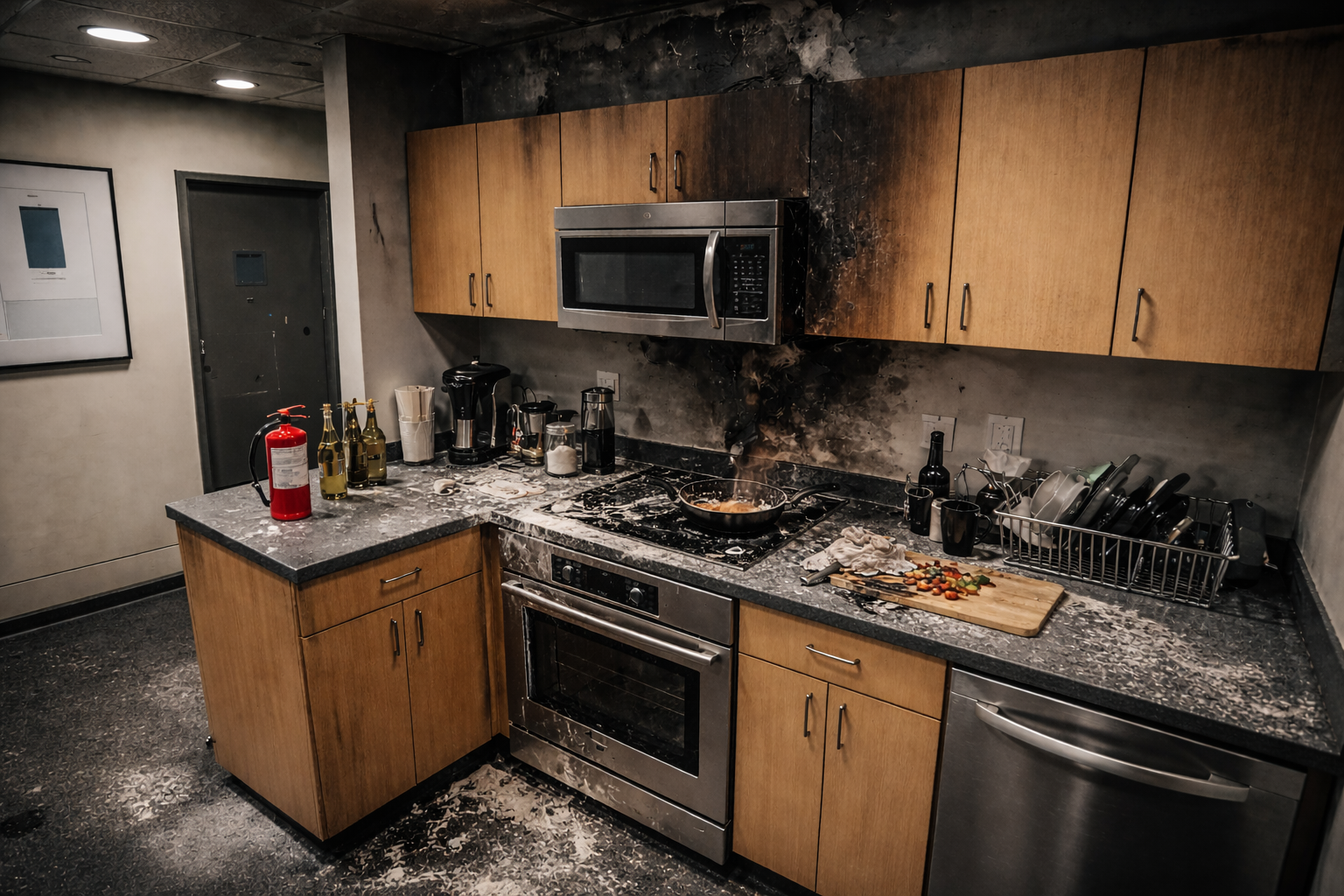
Immediate Actions After the Fire
1. Make the Area Safe
Confirm the fire is fully extinguished and there is no risk of re-ignition.
Isolate any damaged electrical equipment or services.
Ventilate the area to remove smoke, fumes and heat.
Restrict access to affected areas until they have been checked by a competent person.
Even limited fire or heat exposure can damage wiring, surfaces, fire doors and escape routes.
2. Check on People First
Account for all staff, contractors and visitors who were present.
Ensure anyone exposed to smoke or heat is checked, even if symptoms appear mild.
Provide first aid or medical assistance where required.
How people behaved during the incident is just as important as the cause of the fire.
3. Record the Incident Clearly
Create a written incident record as soon as possible. This should include:
Where the fire started.
What is believed to have caused it.
How it was discovered.
Whether the fire alarm activated correctly.
What fire safety equipment was used.
How the evacuation was managed.
Photographs of the affected area can be useful. Even if the fire service did not attend, this information is essential for learning lessons and reviewing compliance.
Post-Incident Checks and Review
4. Inspect Fire Safety Measures
All fire safety measures in the affected area should be checked, including:
Fire alarms and detectors.
Emergency lighting.
Fire doors and compartmentation.
Fire extinguishers used or exposed to heat.
Escape routes and signage
Fire doors exposed to heat or smoke may appear undamaged but still fail to perform correctly and should be inspected carefully.
5. Identify the Root Cause
The size of the fire matters less than why it started. Common causes of small workplace fires include:
Faulty or poorly maintained electrical equipment.
Overloaded sockets and extension leads.
Portable heaters.
Cooking appliances.
Charging batteries and devices.
Poor housekeeping or storage near ignition sources.
Understanding the underlying cause is essential to prevent repetition.
6. Review Your Fire Risk Assessment
Any fire, however minor, should trigger a review of your fire risk assessment. This review should consider:
Why the fire occurred.
Whether existing control measures were adequate.
How staff responded.
Whether evacuation procedures worked as expected.
What changes are needed to reduce future risk
A fire provides real-world evidence that should be reflected in your assessment.
7. Communicate and Refresh Training
Staff should be informed about what happened and what has changed as a result. This may include:
Reinforcing fire safety responsibilities.
Refreshing evacuation procedures.
Addressing unsafe behaviours.
Updating local fire safety instructions.
In many cases, a small fire highlights gaps in staff awareness or confidence rather than a lack of equipment.
8. Consider Fire Marshal Training
Fire marshals play a key role during both normal operations and emergency situations. Following a fire, consider whether:
You have enough trained fire marshals.
They understand their role clearly.
They acted as expected during the incident.
Targeted fire marshal training can significantly improve response, coordination and control during future incidents.
9. Consider Reporting the Incident to the Health and Safety Executive (HSE)
Minor, contained fires may not be reportable, but serious ones that could have caused significant harm are. If you are in doubt, discuss the matter with a competent person, such as your fire risk assessor.
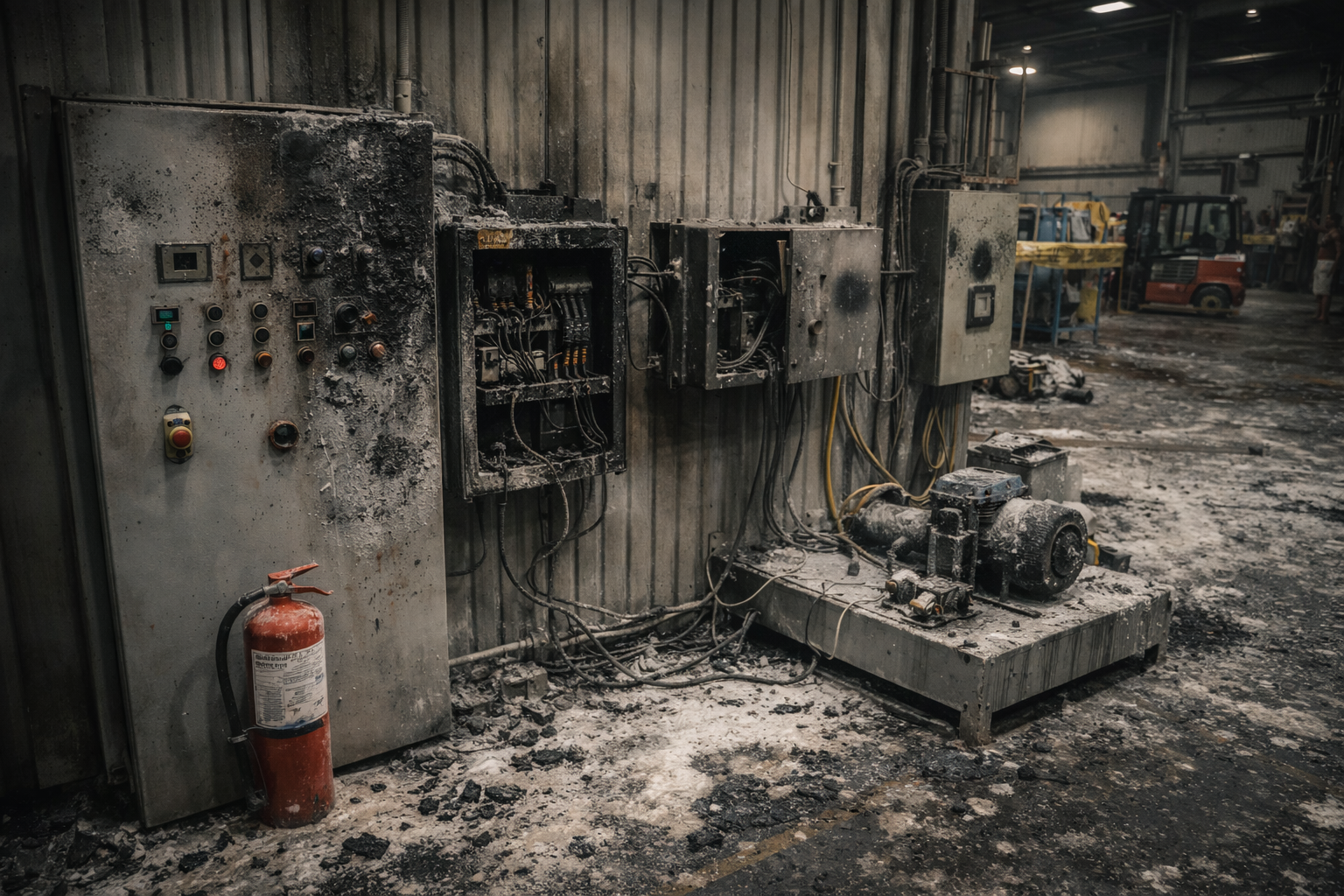
Why Small Fires Matter
UK data shows that several thousand workplace fires occur each year, many of which are recorded as minor. However, small fires frequently precede more serious incidents when lessons are not learned or control measures are not improved. A minor fire should be treated as a warning.
How Fletcher Risk Can Help
Fletcher Risk Management supports businesses across Chester, the North West and North Wales with fire risk assessments and post-incident reviews, objective advice following a workplace fire, fire marshal and staff fire safety training, fire door inspection, and practical, proportionate recommendations. If you have experienced a small fire, now is the right time to review your fire risk assessment and ensure your staff are properly trained.
Please contact Fletcher Risk today to arrange a fire risk assessment or fire marshal training.
Disclaimer
This article is provided for general information only and does not constitute legal or professional advice. Fire safety arrangements should always be assessed by a competent person based on the specific risks of the premises.
(C) Fletcher Risk Team - 16 Feburary 2026