
The Emerging Risk of EV Battery Fires in Car Parks
Electric vehicles are now a normal part of everyday life. For many businesses, residential blocks and mixed use developments, EVs are already a regular presence in surface and multi storey car parks. What is less well understood is how this changes the fire risk profile of those spaces, and where responsibility actually sits. EV battery fires remain relatively rare, but when they do occur they behave differently from traditional vehicle fires. For organisations responsible for car parks, this is no longer a future issue. It is a live one.
Why EV battery fires are different
Most people are familiar with the risks associated with fuel fires. EV battery fires present a different challenge. Lithium ion batteries can enter thermal runaway, where cells overheat and ignite in a chain reaction. Once this process begins, fires can burn intensely, re ignite after being extinguished, and produce large volumes of heat and smoke. Fire and rescue services across the UK have adapted their tactics accordingly, often requiring longer cooling periods and larger exclusion zones. For buildings with enclosed or partially enclosed car parks, this has clear implications.
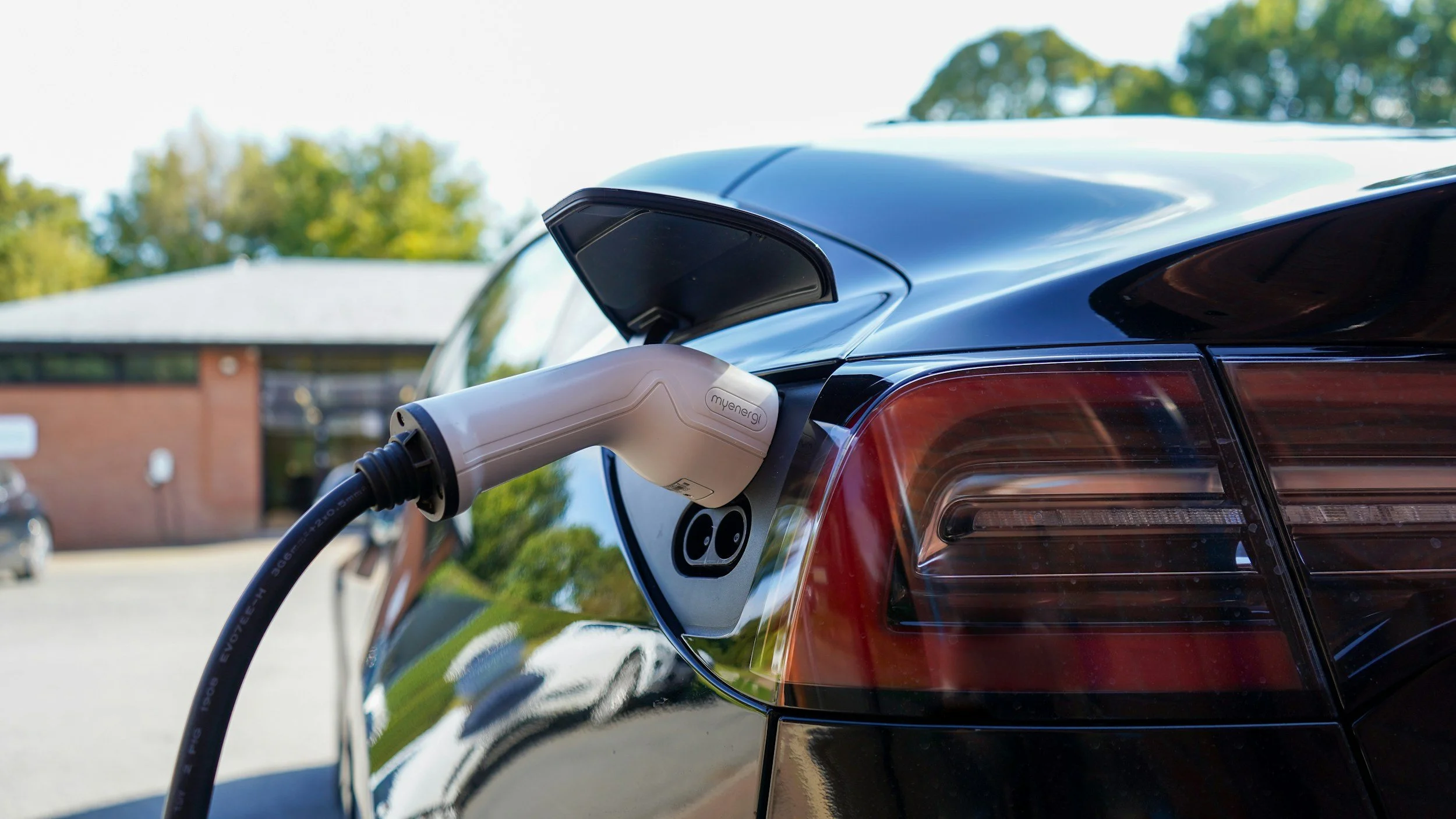
A new risk in a familiar space
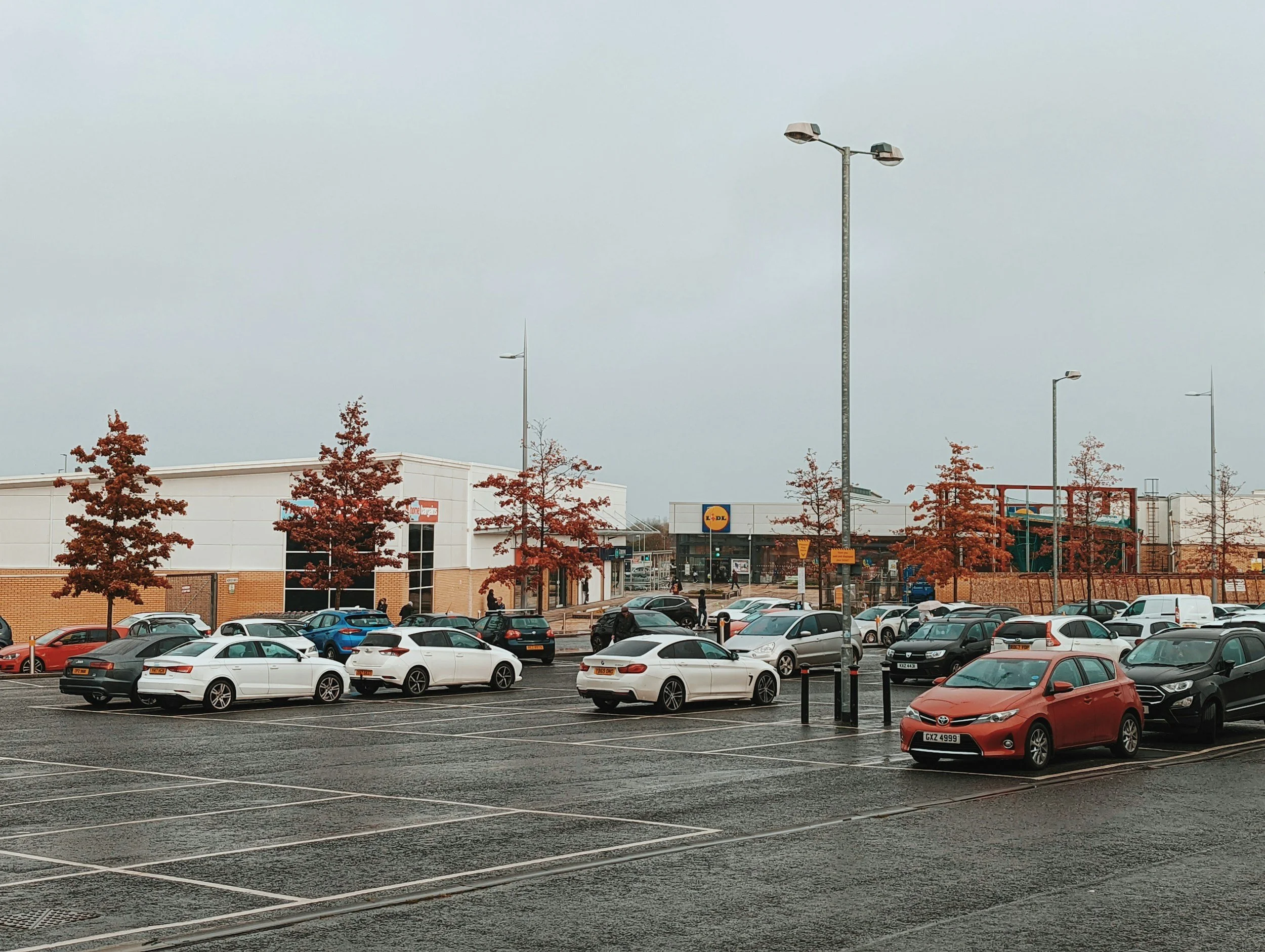
Car parks are often treated as lower risk areas. Many have limited fire detection, particularly older multi storey structures where design assumptions were made long before EVs were common. In practice, this means a developing fire may go undetected for longer, particularly overnight or in lightly supervised locations. In enclosed car parks, smoke spread, heat build up and structural exposure can escalate quickly. This is not about panic. It is about recognising that a familiar space is now being used in a new way.
Responsibilities do not stop at the front door
One of the most common misunderstandings we encounter is the belief that fire safety responsibilities end at the building entrance. In reality, external areas, including car parks, service yards and loading bays, form part of the overall fire risk profile. If a fire in a car park can affect the building, its occupants, or the ability to evacuate safely, it should be considered as part of fire risk management. This is particularly relevant where car parks are beneath occupied buildings, attached to them, or used by residents, staff or the public as part of normal access.
What we are seeing in car parks
Fletcher Risk has completed many car park surveys across the North West and North Wales in the last few years, including surface level and multi storey facilities serving residential, commercial and mixed use buildings. Common themes include limited detection, unclear response plans, uncertainty over responsibilities, and a lack of specific consideration given to EV related risks. In many cases, the infrastructure and management arrangements have simply not caught up with changes in vehicle use. None of this implies non compliance by default. It does highlight the need for updated thinking.
Why plans matter more than systems alone
In many car parks, installing full detection or suppression systems may not be straightforward or proportionate. That makes planning even more important. Clear procedures for staff, caretakers and managing agents matter. Knowing when to call the fire and rescue service, how to manage access, how to isolate areas, and how to communicate with occupants can significantly reduce risk. For EV incidents in particular, early recognition and controlled response are critical.
How Fletcher Risk can help
Fletcher Risk supports businesses and property managers by assessing car parks as part of the wider fire risk picture, not as an afterthought. This includes reviewing layout, construction, use, management arrangements and foreseeable vehicle related risks. Where appropriate, we help clients develop clear, practical response plans for car park incidents, including EV battery fires, tailored to how the site is actually used. This work sits alongside, not in place of, specialist advice from fire engineers or installers where required. The aim is clarity, proportion and preparedness. Please contact us to discuss how we can help you.
The reality of EV fires
This short clip from the London Fire Brigade shows a real electric vehicle battery fire at Heathrow Airport. It illustrates how lithium-ion battery fires behave differently from traditional vehicle fires, including the intensity of the fire and the resources required to bring it under control.
Final thought
EV battery fires are still relatively uncommon, but they are no longer theoretical. For those responsible for car parks, the question is not whether to react differently, but whether existing plans reflect how those spaces are now used. A small amount of forward planning can make a significant difference. Fletcher Risk offers a variety of services to help you deal with this type of risk - please reach out.
Disclaimer
This article is provided for general information only and does not constitute legal advice. Fire safety duties and appropriate control measures depend on the specific premises, occupancy, management arrangements and findings of a suitable and sufficient fire risk assessment. If you require advice on your circumstances, you should seek competent professional support.
© Fletcher Risk Team - 22 December 2025