
Fire Safety in Listed and Historic Buildings: What You Need to Know in 2026
Historic and listed buildings are some of the most characterful spaces to manage, but they also bring unique fire safety challenges. Chester and the surrounding areas have a large number of period properties with original timber, ageing services, and complex layouts that were never designed with modern safety standards in mind. At Fletcher Risk we spend a significant amount of time working with these buildings and the same themes arise again and again.
This article explains why older properties need a different approach and how responsible persons can manage them confidently.
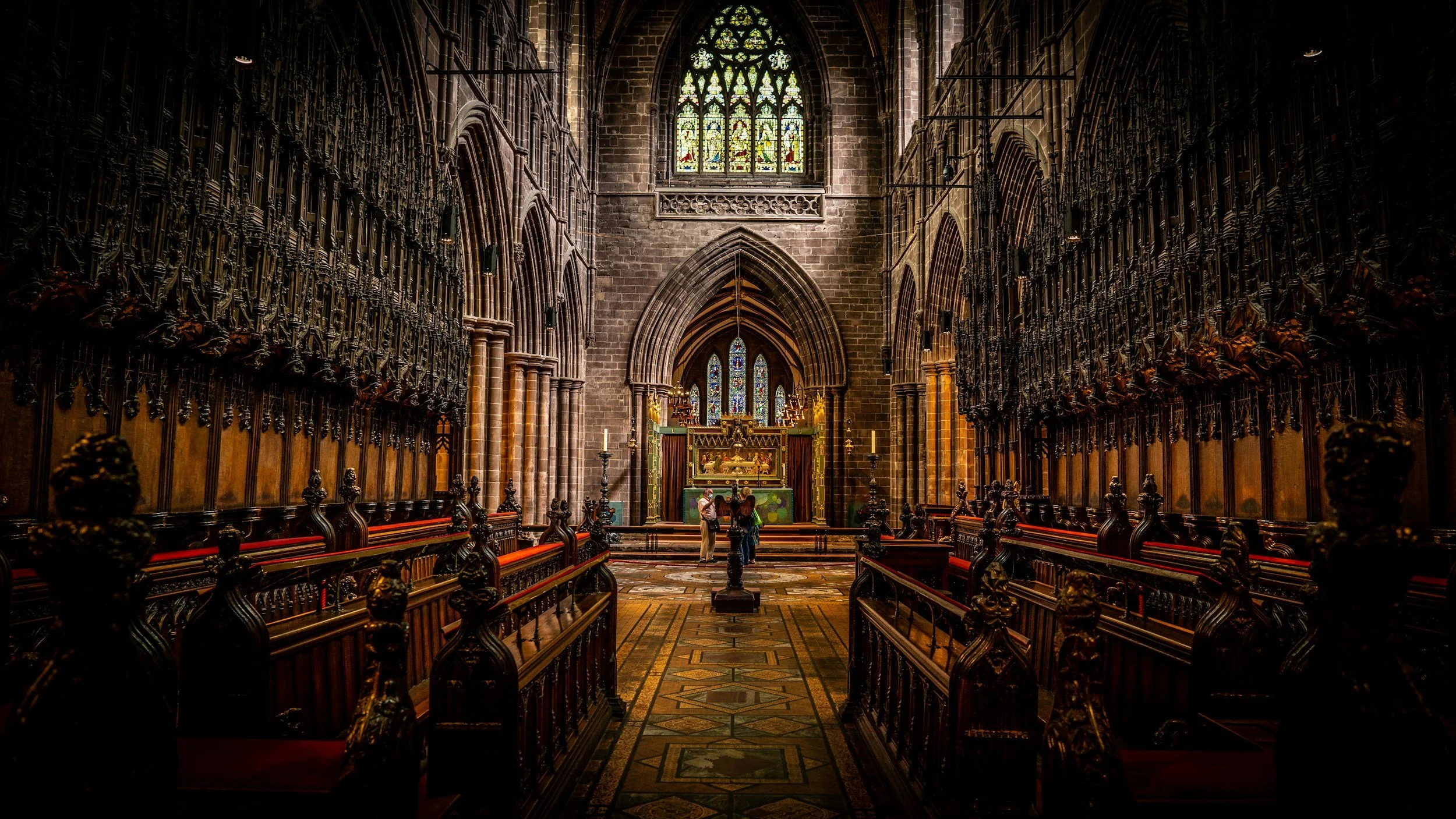
Chester Cathedral
1. Original construction can behave unpredictably in a fire
Many listed buildings still rely on traditional timber frames, lath and plaster walls, or decorative wooden features. These materials often hide voids, cavities and concealed routes that allow smoke and fire to spread quickly and silently.
What this means for you
A standard assessment may not be enough. You need someone familiar with historic buildings who can identify hidden pathways and understand how the original construction interacts with modern upgrades.
2. Compartmentation is often compromised
Across many period buildings in Chester and nearby towns we see fragmented fire separation. Over decades, new openings, old repairs, unsealed risers and service penetrations have undermined the original compartments.
What this means for you
Reinforcing compartmentation is one of the most effective ways to improve safety without altering the character of the building. Regular checks and targeted improvements go a long way.
3. Fire doors are frequently mismatched or poorly maintained
Historic properties often have a mixture of original doors, partial upgrades, and newer replacements. Some look the part but fall short of fire door standards once inspected closely.
What this means for you
A detailed fire door survey is essential. It identifies where sympathetic upgrades can protect residents while preserving heritage features. Many improvements can be made without altering the appearance of the door.
4. Escape routes are rarely straightforward
Older buildings tend to have narrow staircases, long corridors, uneven floors, and unusual layouts. These features add charm but can complicate evacuation.
What this means for you
Your evacuation plan must reflect the building as it actually functions, not how it appears on a drawing. Clear signage, good lighting and frequent checks of escape paths are central to managing these properties.
5. Installing modern alarm systems requires specialist planning
Running cables through protected structures is not always possible. Wireless fire alarm systems, addressable devices and discreet detection solutions are now a practical option for many historic properties.
What this means for you
Modern systems allow you to preserve protected features while still improving detection coverage and reducing false alarms. A tailored design is essential to keep the installation sympathetic to the building.
6. Balancing heritage protection with safety has become more important
Local authorities, insurers and fire services expect responsible persons to consider both safety and preservation. Striking this balance requires a clear strategy, transparent decision making and appropriate evidence.
What this means for you
Involving a competent fire risk assessor early helps prevent costly redesigns, enforcement action, or conflicts between conservation needs and compliance.
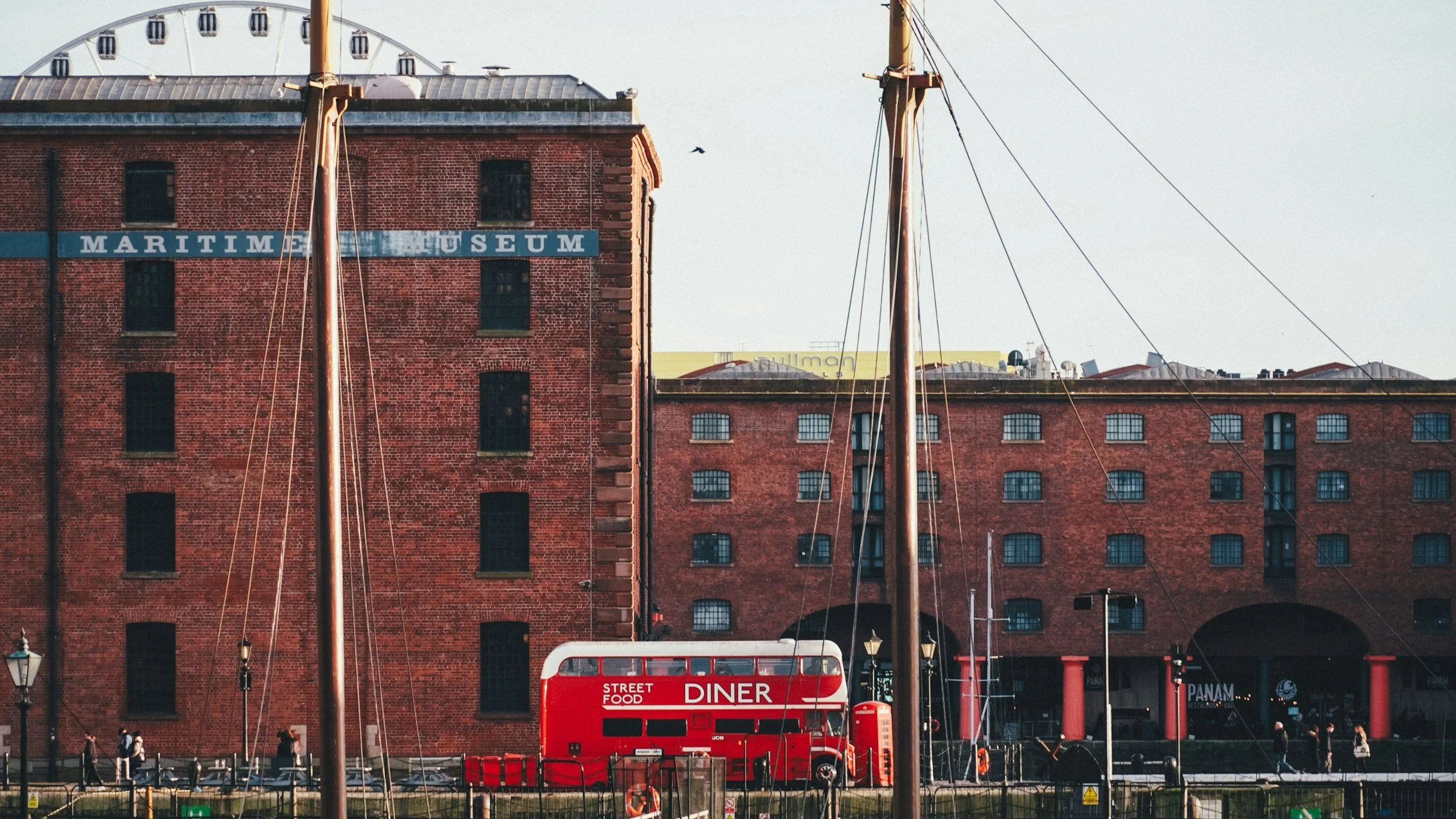
Liverpool
Conclusion
Listed and historic buildings are a joy to manage but they demand a considered and specialist approach to fire safety. The age of the construction, the presence of original features and the complexity of the layout all shape the risk profile. With the right guidance and a plan that respects the character of the building, responsible persons can keep residents and visitors safe without compromising the heritage.
Fletcher Risk is based in Chester and works with listed and historic buildings across the wider region. If you would like support with a fire risk assessment or advice on preserving your building’s character while improving safety, we are here to help.
Disclaimer
This article is for general information only. It does not provide legal advice or replace a formal fire risk assessment. Every building is different and responsible persons should seek professional guidance tailored to their property. Fletcher Risk accepts no liability for actions taken based on this summary without a full assessment of the site.
Fletcher Risk Team - 3 December 2025